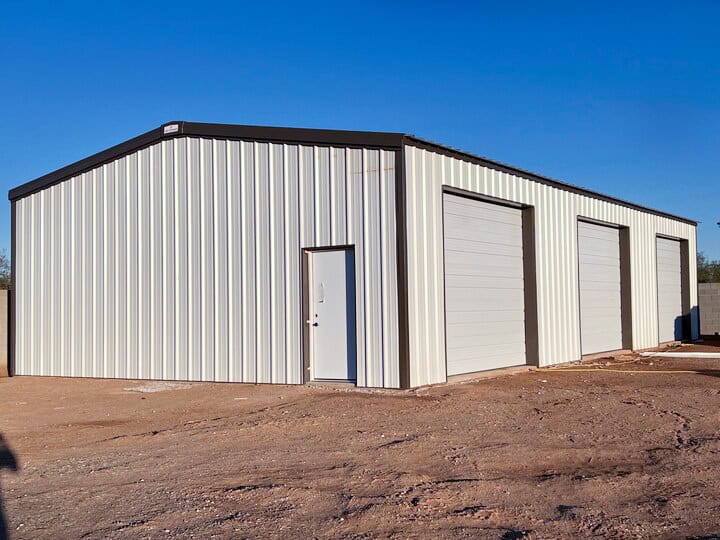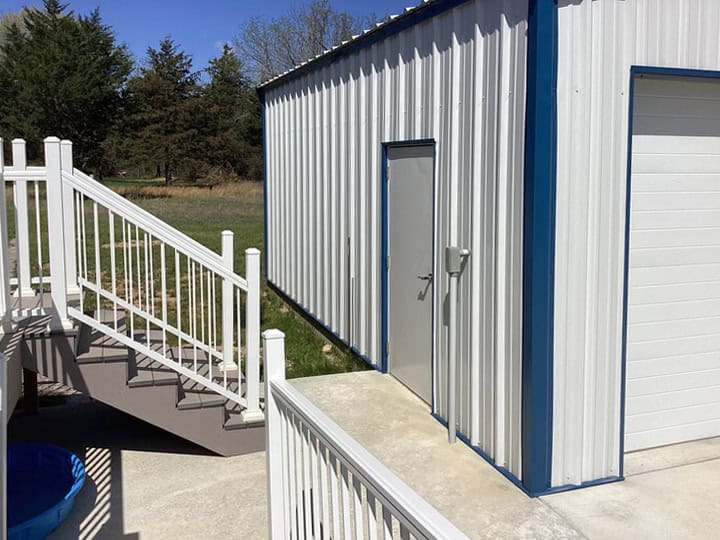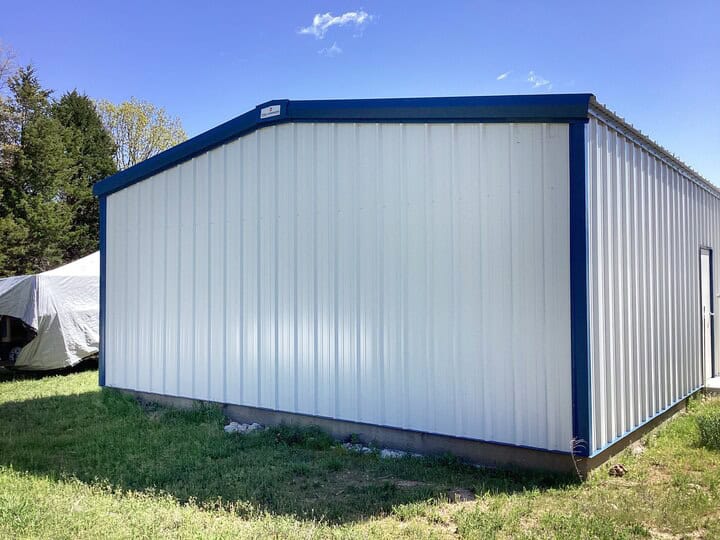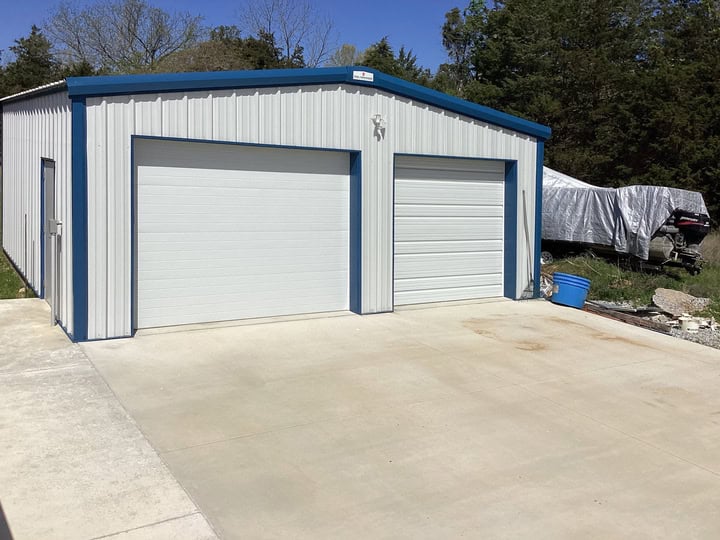
Description
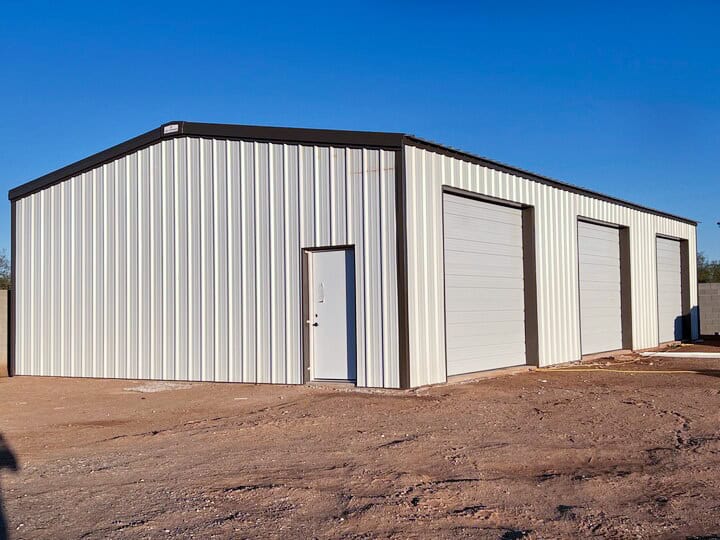
At 1,600 square feet of clear-span floor space and a 16-foot eave height, this is a building where the vertical dimension carries as much operational weight as the horizontal one — a structure where what happens above the floor is as deliberately engineered as what happens on it. Buyers who choose the 40×40×16 typically know exactly why: they need the clearance. A 16-foot eave isn’t a luxury upgrade on a building this size. For the operations that gravitate toward this configuration, it’s the specification that makes the building work.
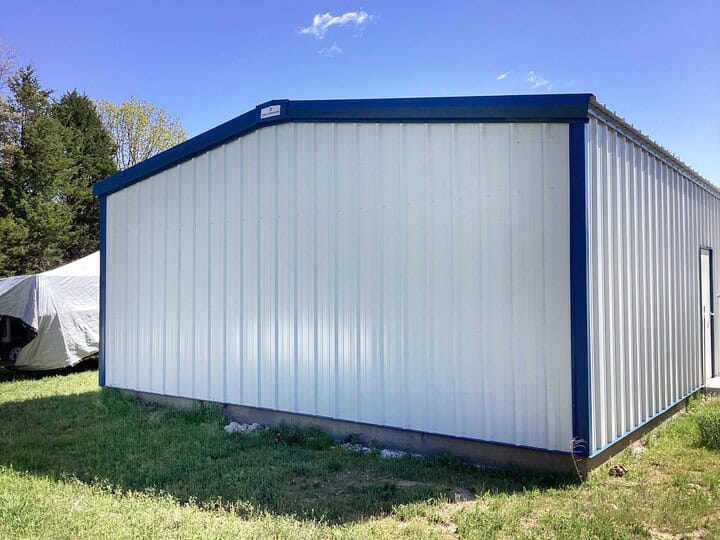
The 40×40 footprint is a clean, highly functional square — and that geometry is part of what makes this building so versatile across different applications. Forty feet in both directions means the building doesn’t have a natural grain, no obvious long axis that dictates how equipment flows or how the interior gets organized. Access doors can go on any wall and make equal sense. Equipment can be stored, staged, or worked on in any orientation without the floor plan pushing back. The square footprint gives the operator complete freedom to configure the interior for the specific demands of the operation — and to reconfigure it as those demands evolve — without the building’s geometry getting in the way. Add 16 feet of eave height to that organizational freedom, and the 40×40×16 becomes one of the most genuinely flexible working structures in the Steel Commander lineup.
Sixteen feet changes the interior of a building in ways that matter immediately and keep mattering every day the structure is in use. The volume of the space shifts perceptibly — from a building that feels adequately sized to one that feels purpose-built for serious work. A 14-foot commercial overhead door installs with proper clearance and operates without compromise. Equipment that would require clearance checks at 12 feet moves freely at 16. Overhead systems — cranes, hoists, ceiling-mounted equipment — become viable options across the full floor plan rather than constrained to specific zones. Racking and vertical storage run higher, converting cubic footage above the standard shelf line into organized, accessible capacity. For operations where any of these capabilities are part of the daily workflow, 16 feet isn’t a specification to consider — it’s a requirement to meet.
Steel Commander buildings are engineered for the specific structural and environmental demands of their installation sites. A 40×40×16 is a tall building by residential and light commercial standards, and the wind loads, uplift forces, and lateral pressures acting on a structure at this height are meaningfully different from those acting on a 12-foot building at the same footprint. Every Steel Commander building at this eave height is engineered to meet those increased structural demands — along with the local code requirements, regional load standards, and climate-specific design factors of your particular site. Whether that means hurricane engineering for a Florida coastal location, seismic performance standards for a California site, or the high-wind and thermal resilience demands of the Texas plains, your building arrives designed and certified for where it’s actually going.
The square building as a strategic choice
Most steel building buyers default to rectangular footprints — longer than they are wide, oriented around a dominant axis that organizes the interior in a particular direction. The 40×40 challenges that default, and for the right operation, the square footprint is a deliberate strategic advantage rather than a neutral geometric choice.
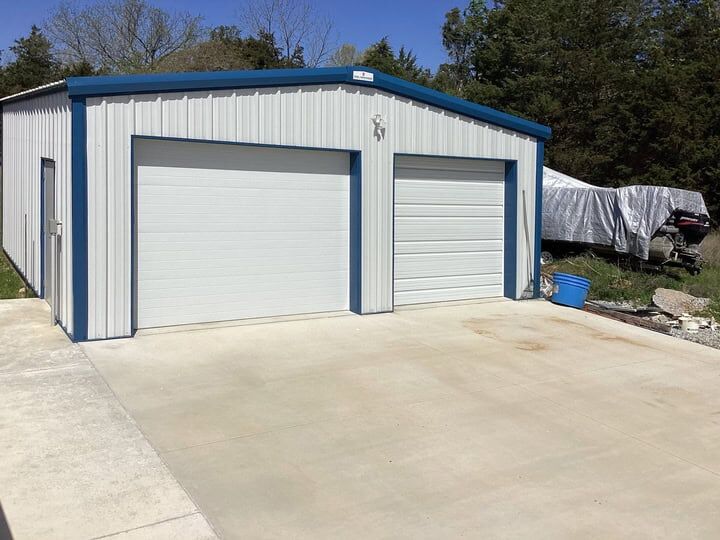
Consider what a square floor plan does for access flexibility. On a rectangular building, the wide walls are typically the obvious location for primary overhead doors — the short walls at each end become secondary access points. On a 40×40, every wall is the same length, which means primary overhead doors work equally well on any of the four sides. That access flexibility is valuable for operations where equipment or vehicles approach from different directions, where the building sits on a corner lot with frontage on two streets, or where the operational workflow benefits from access points on opposing walls rather than opposing ends.
Consider also what a square floor plan does for interior zoning. A rectangular building naturally divides into front and back, with the depth of the building creating a linear organization that works well for some operations and less well for others. A square building divides into quadrants — four equally sized zones, each with equal proximity to a wall and equal distance from the center of the floor plan. That quadrant organization works naturally for operations that run multiple distinct functions simultaneously: one quadrant for active work, one for equipment staging, one for organized storage, one for receiving or dispatch. At 1,600 square feet total, each quadrant is 400 square feet — enough to run a meaningful operation in each zone without any of them feeling cramped.
At 16 feet to the eave, all of that organizational flexibility extends vertically as well as horizontally. The 40×40×16 is a building that gives serious operators genuine freedom — to configure, to reconfigure, to expand vertically with racking and overhead systems, and to build a working environment that serves the operation rather than constraining it.
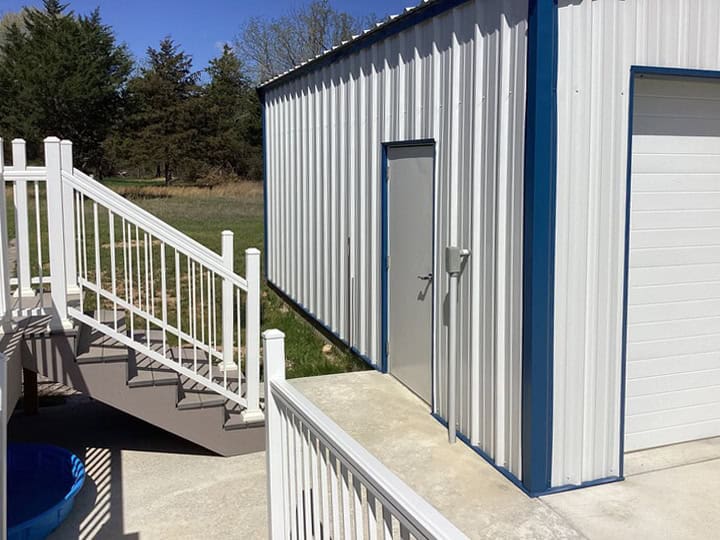
Both rigid frame and C-channel versions of the 40×40×16 are available with the complete Steel Commander customization suite. Commercial roll-up doors on any wall, in any size, positioned for your specific traffic and equipment patterns. Personnel doors for daily operational flow. Window packages and skylight systems calibrated for a square floor plan where natural light needs to reach the center of the building from multiple directions. Insulated wall and roof panel systems for year-round climate control, temperature-sensitive applications, or a workspace that performs in every season. Whatever your operation demands from a 40×40×16, we’ll configure it to deliver exactly that.