Description
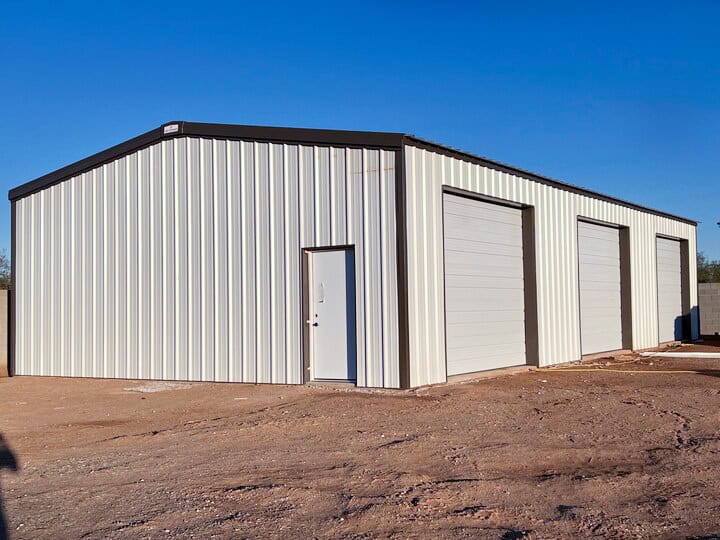
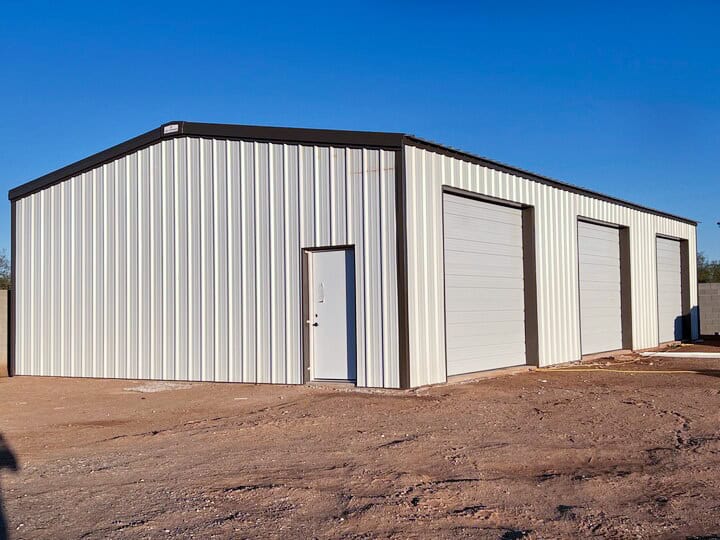
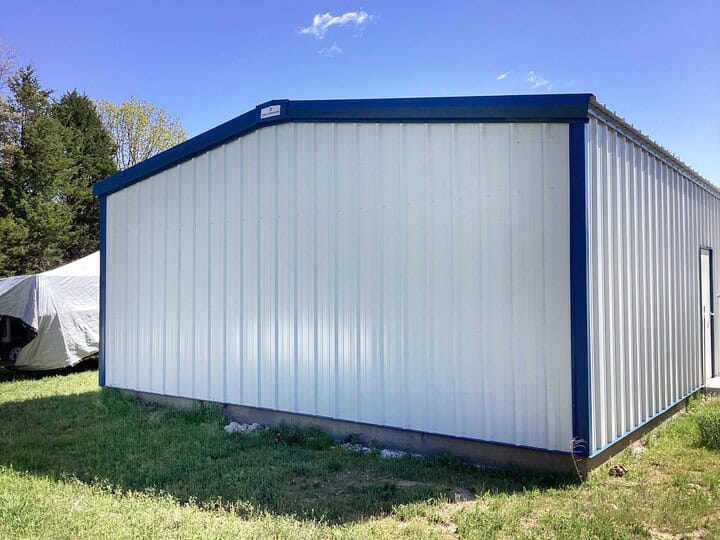
With 2,400 square feet of clear-span floor space and a 16-foot eave height, this configuration brings together the square footage of a serious commercial structure and the vertical clearance to match — creating a building that doesn’t just hold your operation, but actively enables it. Tall equipment moves in and out without clearance anxiety. Overhead systems have the height to function properly. Racking, lifts, hoists, and mezzanine levels all become viable options the moment the eave height crosses that 16-foot threshold.
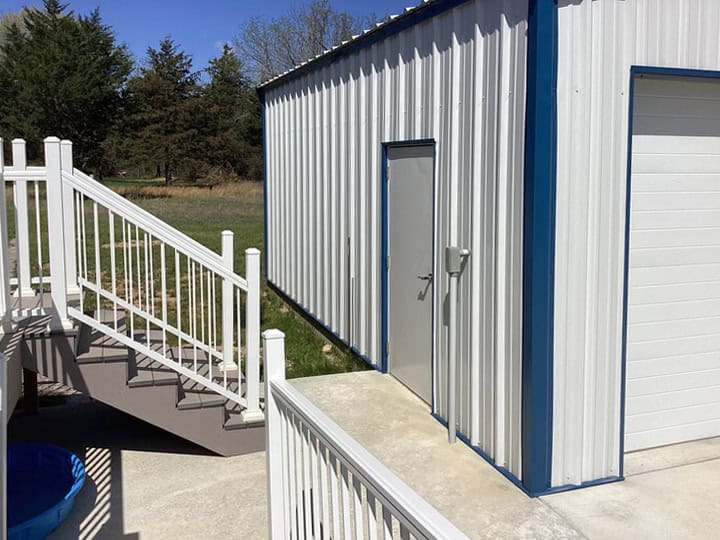
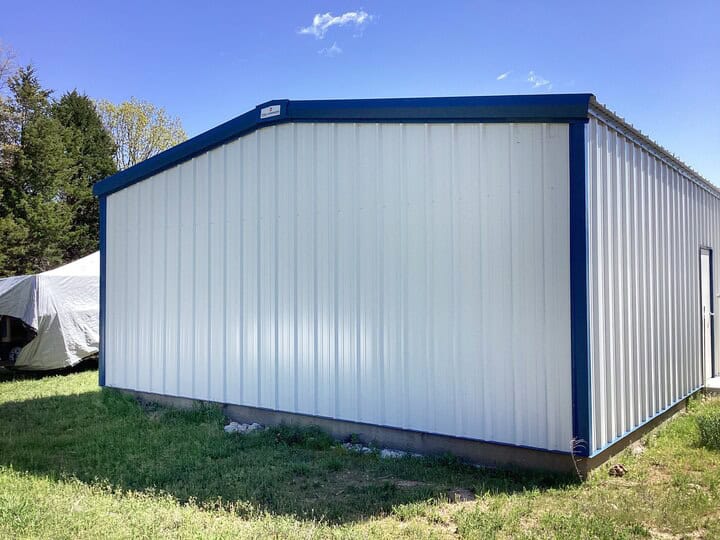
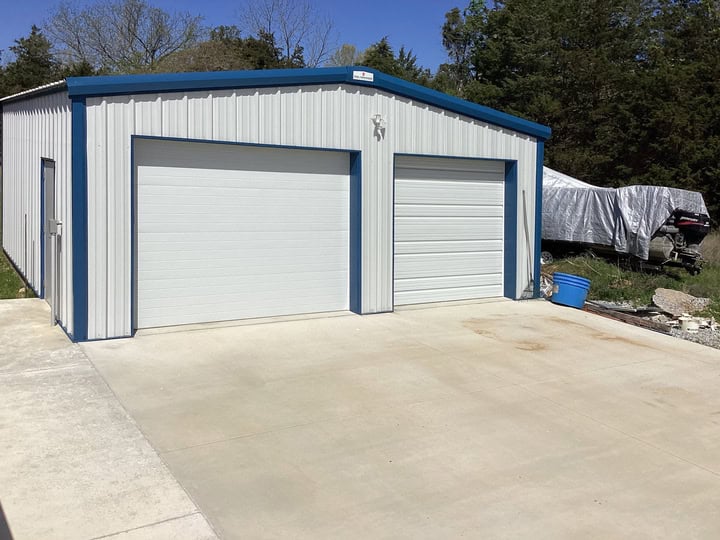
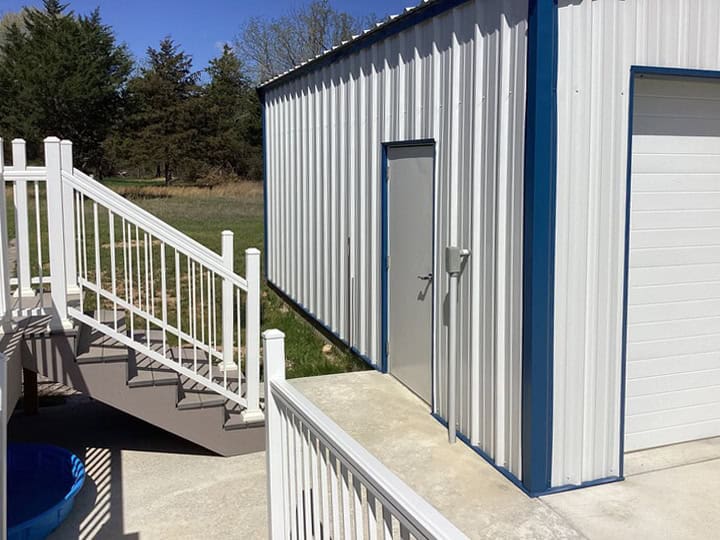
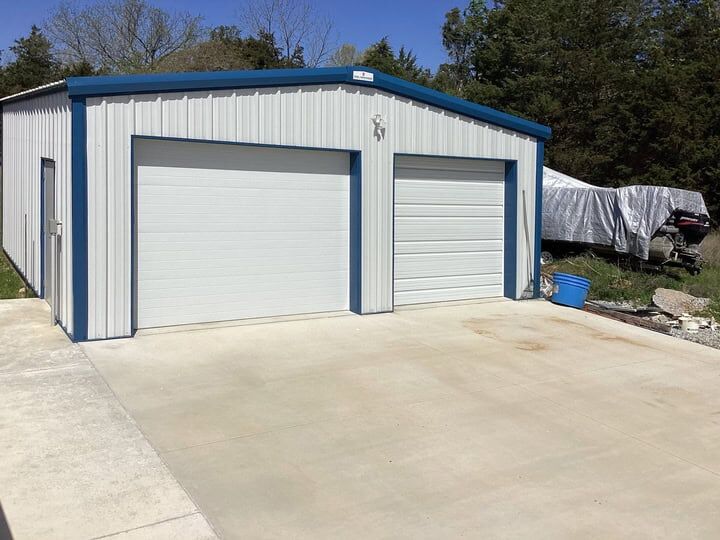
The 40×60 footprint is one of the most consistently productive configurations in large-scale steel building construction. Forty feet of width delivers a genuinely open interior — wide enough for three standard vehicle bays with comfortable working clearance, or two generous equipment bays with room for technicians and machinery to operate without crowding. Sixty feet of depth extends that width into a floor plan with real organizational range: distinct functional zones front to back, dedicated access points at either end for drive-through traffic flow, and enough total square footage to absorb the kind of operational complexity that smaller structures force you to manage around rather than through. At 16 feet to the eave, everything that happens above the floor — storage, lifting, racking, overhead equipment movement — happens with the clearance it actually needs.
This building is a natural fit for operations that have outgrown their current covered space and need a structure that can consolidate what’s currently spread across multiple buildings, parking areas, or temporary shelters into a single, secure, purpose-built facility. One roof. One set of doors. One structure engineered to handle everything inside it. That consolidation alone changes how efficiently a property operates — and the 40×60×16 is sized and configured to make it happen.
Steel Commander buildings are engineered from the ground up for the specific conditions of their installation location. A 40×60×16 going up in Florida is designed for the wind uplift, humidity exposure, and hurricane preparedness requirements of that environment. The same building in California incorporates seismic design factors and the fire-resistance considerations that matter in that region. In Texas, high-wind engineering, thermal performance across extreme temperature swings, and storm resilience shape the design. Your building is certified to meet the local codes and load requirements of your actual site — not a generic national average that may or may not reflect what your property actually faces.